


Zong!
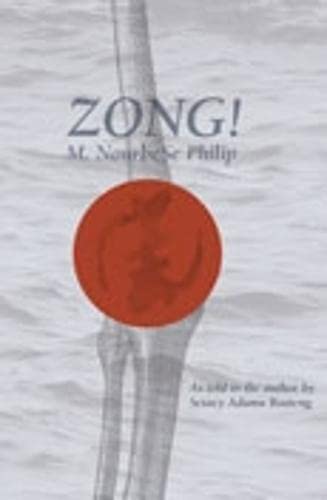
Zong!
The case report Gregson vs. Gilbert, recounts the massacre by drowning of some 130 enslaved Africans over the course of ten days beginning on November 29th, 1781. The captain of the eponymous slave ship, Zong, having made many navigational errors resulting in extending the length of the voyage from West Africa to Jamaica ordered the Africans be thrown overboard so as to allow the owners of the ship, the Gregsons, to claim indemnity from their insurers, the Gilberts. When the insurers refused to honour the contract of insurance, the ship’s owners initiated legal action against them, which proved to be successful. Upon appeal, however, the insurers, the Gilberts were granted a new trial. The report of that hearing, Gregson vs Gilbert constitutes the only extant, public document related to the massacre. Through fugal and counterpointed strategies, Zong! explodes the coded, documented silence of the historical text to become an anti-narrative lament that tells the story of this haunting and tragic massacre: it cannot be told yet must be told; it can only be told by not telling. Zong! tells the story that cannot be told yet must be told. Equal parts song, moan, shout, oath, ululation, curse, and chant, Zong! excavates the legal text. Memory, history, and law collide and metamorphose into the poetics of the fragment. Through the innovative use of fugal and counterpointed repetition, Zong! becomes an anti-narrative lament that stretches the boundaries of the poetic form, haunting the spaces of forgetting and mourning the forgotten (M. NourbeSe Philip).